
The Road to School: Motorcycles, Mobility, and the Limits of Simple Solutions
In many developing countries, motorcycles create both risk and opportunity. Understanding that tension may be key to improving road safety.

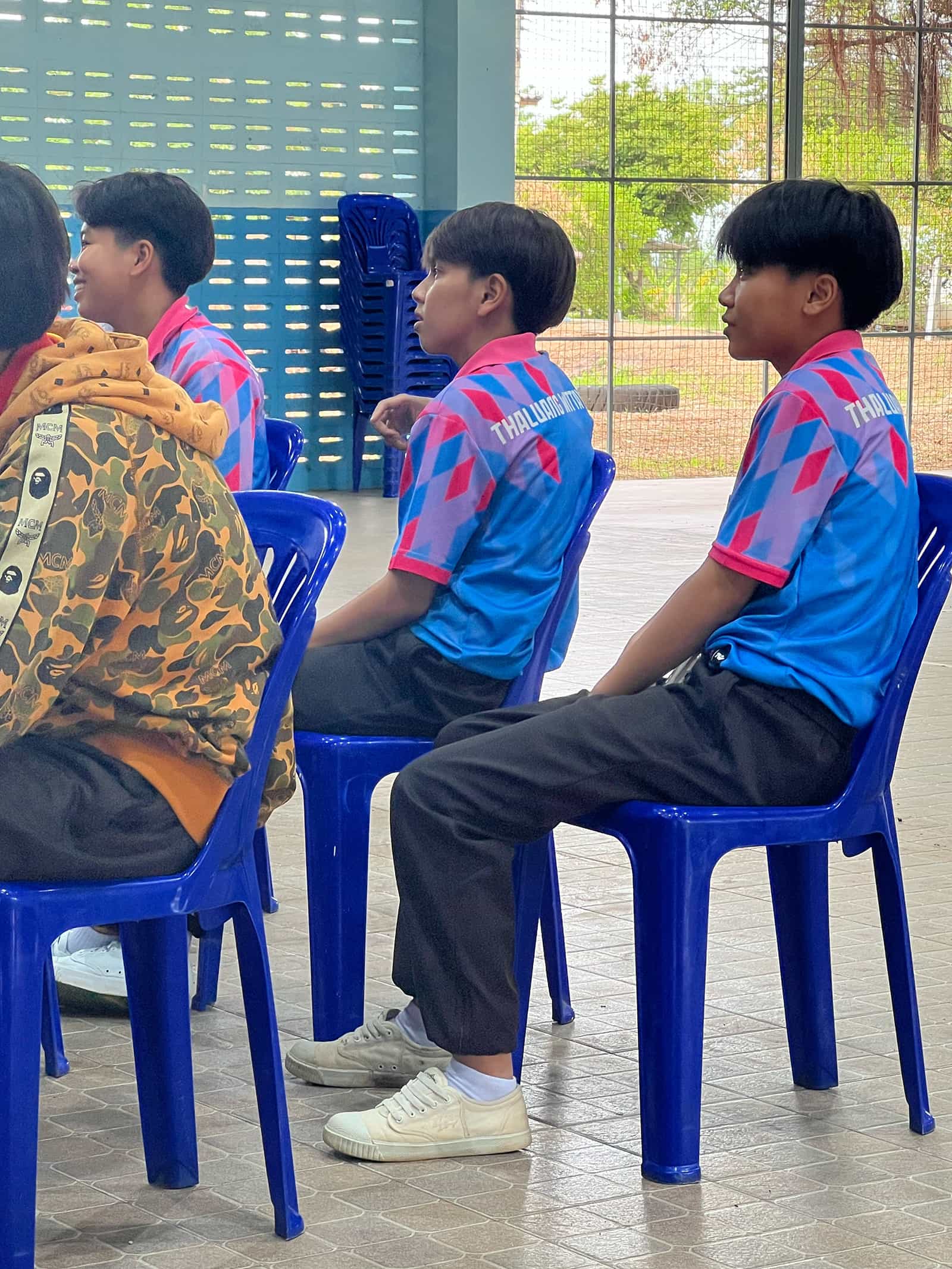
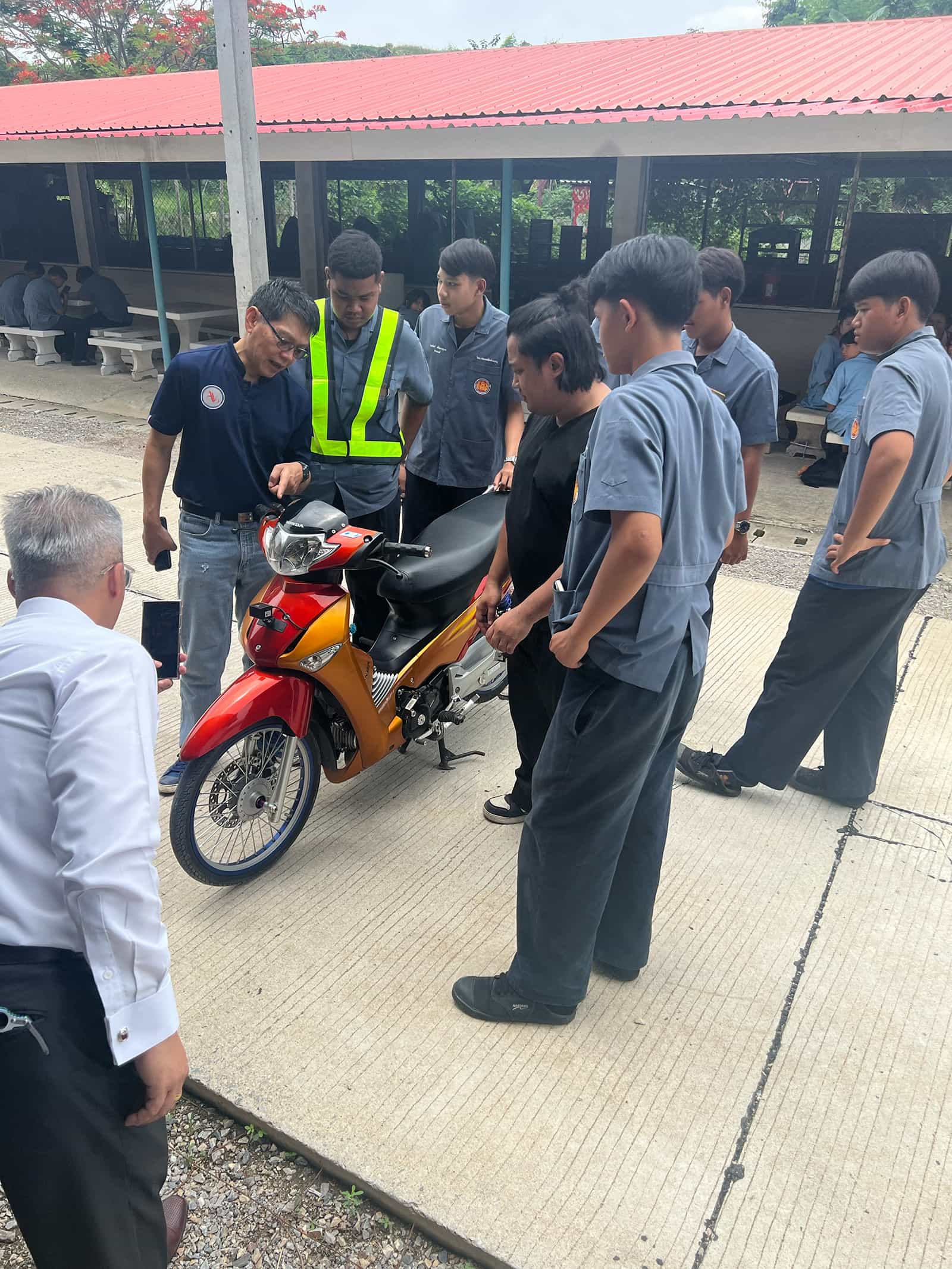
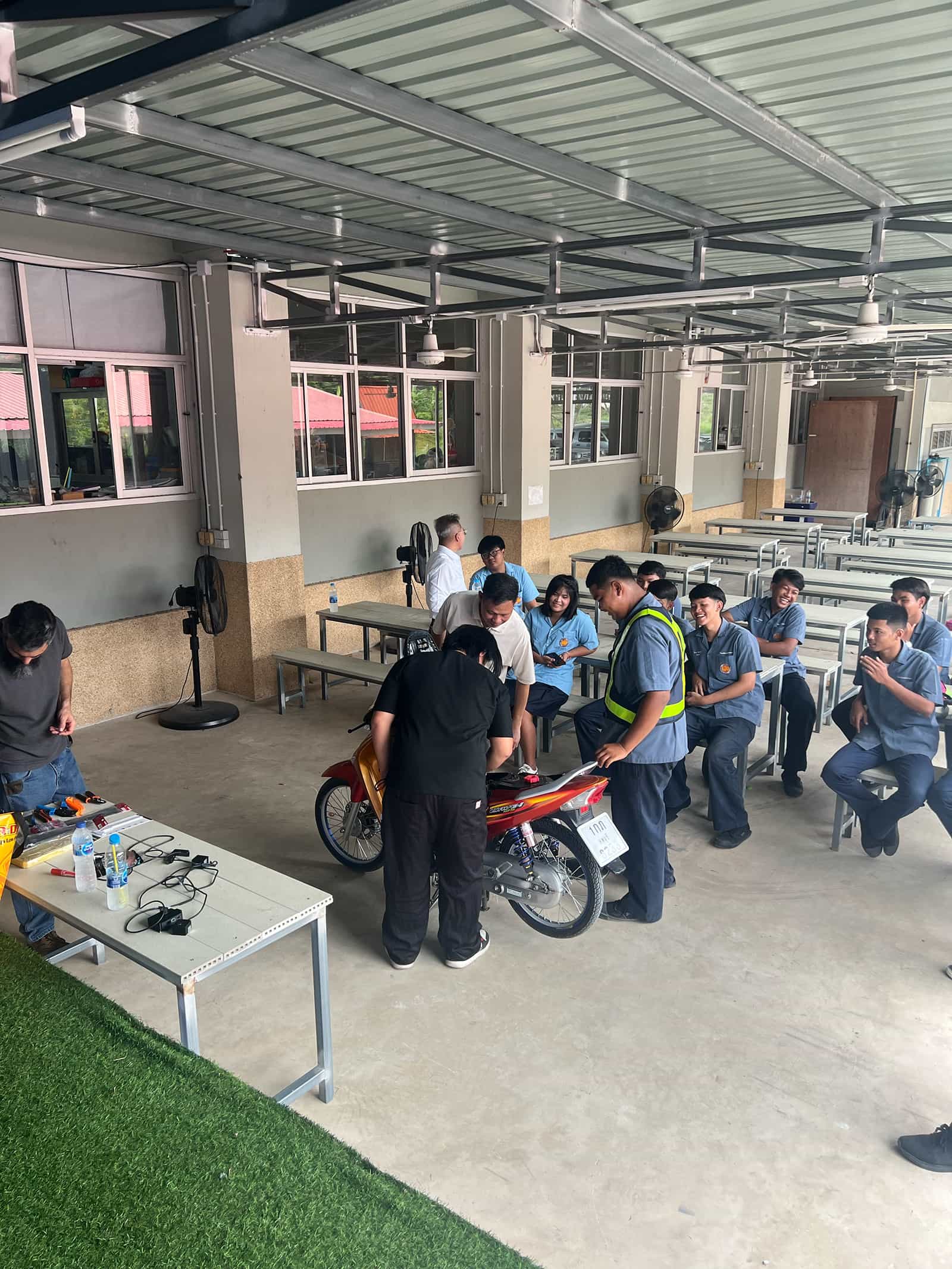
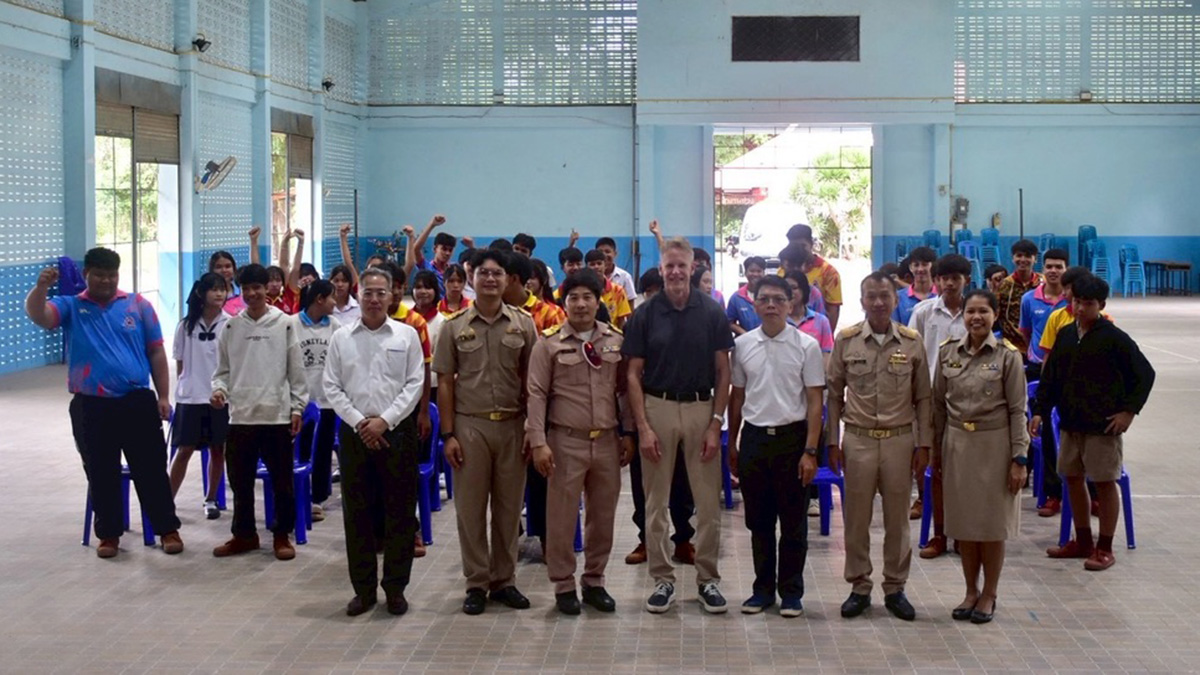
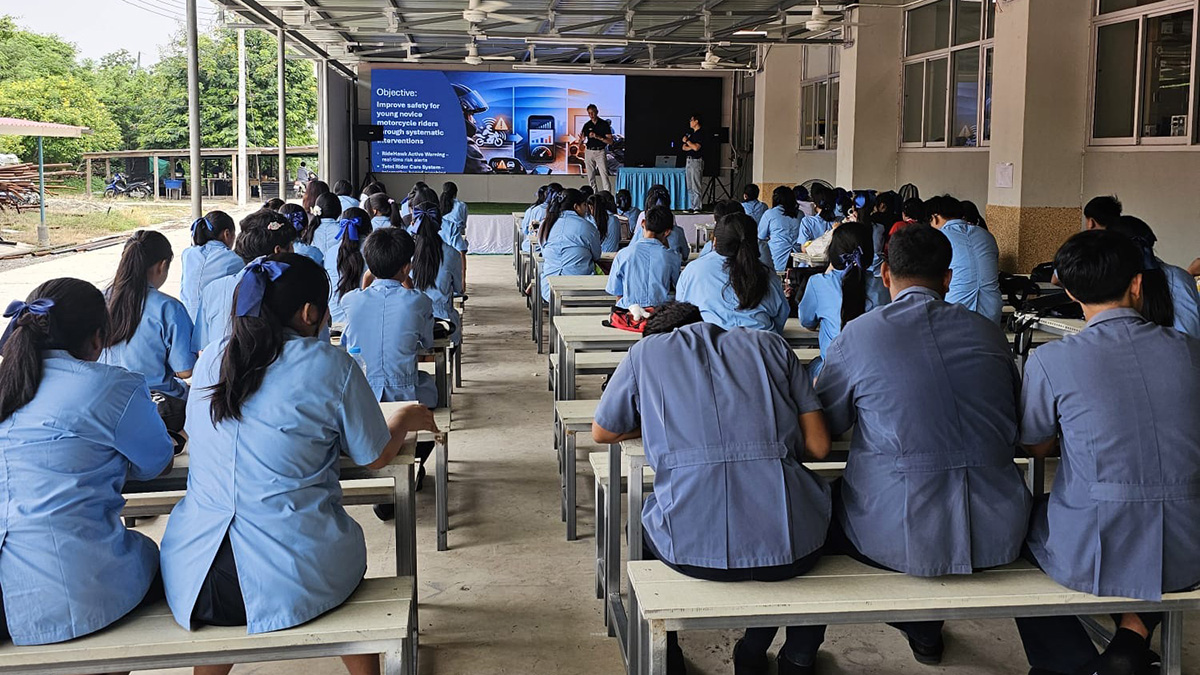
During a recent visit to Lop Buri, Thailand, I had the opportunity to introduce to a group of high school students. As part of the discussion I asked a simple question about their riding experience. I expected most of them to have started recently, perhaps within the past year or two. Instead, many of the students told me they had been riding motorcycles since they were ten or eleven years old.
Challenging Assumptions
For someone raised in a country where motorcycle riding is heavily regulated and generally associated with adulthood, the answer was initially surprising. Yet the more I listened, the less surprising it became. These students were not describing a hobby or a form of recreation. They were describing a practical reality. Many used motorcycles to travel to school. Others helped their families run businesses or complete daily errands. In communities where public transportation is limited or non-existent, motorcycles often provide the only reliable means of mobility. Riding was not necessarily a choice in the way we often imagine it. It was simply part of everyday life.
The conversations stayed with me because they highlighted a tension that I have encountered repeatedly throughout my work in motorcycle safety. We tend to frame motorcycles primarily in terms of risk, and there are good reasons for doing so. Across much of the developing world, motorcyclists account for a disproportionately high percentage of road fatalities and serious injuries. Governments, insurers, employers, and safety practitioners devote significant resources to reducing those numbers. However, focusing exclusively on risk can obscure another reality: the same motorcycles that expose people to danger also create access to education, employment, healthcare, and economic opportunity.
A Wicked Problem
This creates a dilemma that is rarely acknowledged directly. If motorcycles disappeared tomorrow, many countries would almost certainly see a dramatic reduction in road deaths. Yet the social and economic consequences would be profound. Millions of people would lose their primary means of transportation. Students would struggle to reach schools. Workers would lose access to jobs. Small businesses would lose access to customers and suppliers. The very thing that contributes to the problem is also an important part of the solution.
Reflecting on this contradiction led me to reconsider the way we talk about road safety. Much of modern society is built on the assumption that problems exist to be solved. When confronted with a challenge, our instinct is to identify the cause, develop an intervention, and implement a solution. This approach works remarkably well in many domains. Engineering problems can often be solved through better design. Technical failures can be corrected through improved processes. Scientific questions can be answered through observation and experimentation.
Road safety, however, often resists this logic. The more deeply one studies motorcycle crashes, the more difficult it becomes to isolate a single cause or a single remedy. Rider behaviour matters, but so do road conditions, vehicle characteristics, enforcement practices, economic pressures, urban design, cultural norms, and public policy. Every attempt to improve one aspect of the system influences other aspects in ways that are not always predictable. Better roads may encourage higher speeds. Economic growth may increase travel demand. New technologies may change rider behaviour in unexpected ways. The system continuously adapts to the interventions designed to improve it.
This is why I have increasingly come to view motorcycle safety as what social theorists call a “wicked problem.” The term does not imply that the problem is evil or impossible. Rather, it describes a category of challenges that emerge from complex human systems and therefore resist definitive solutions. Wicked problems are characterized by competing priorities, incomplete information, and the absence of a clear endpoint. Poverty, climate change, and urban congestion are often cited as examples. Motorcycle safety, particularly in developing countries, appears to share many of the same characteristics.
I found myself returning to those students in Lop Buri as I thought about this idea. Their stories illustrated just how difficult it can be to define the problem in the first place. When a sixteen-year-old rides a motorcycle to school because there is no practical alternative, what exactly are we trying to solve? Is it a question of rider behaviour? Transportation infrastructure? Economic development? Public policy? Family circumstance?
The honest answer is: it is all of these things at once.
That is what makes motorcycle safety so challenging. Every stakeholder tends to view the issue through a different lens. A public health official sees injury statistics. A parent sees a child getting to school. A local business owner sees economic necessity. A transportation planner sees a gap in mobility infrastructure. The student, meanwhile, simply sees it as the only way to get from one place to another when it matters. None of these perspectives is wrong, but none is complete on its own.
To Approach the Solution
Recognizing this complexity does not mean abandoning the pursuit of safer roads. On the contrary, it encourages a more realistic understanding of how progress occurs. Motorcycle safety is unlikely to be transformed by a single technology, policy, or training programme. Meaningful improvements will almost certainly come from the cumulative effect of many interventions working together: better infrastructure, stronger safety cultures, improved rider education, more effective enforcement, advances in vehicle technology, and a deeper understanding of risk through data.
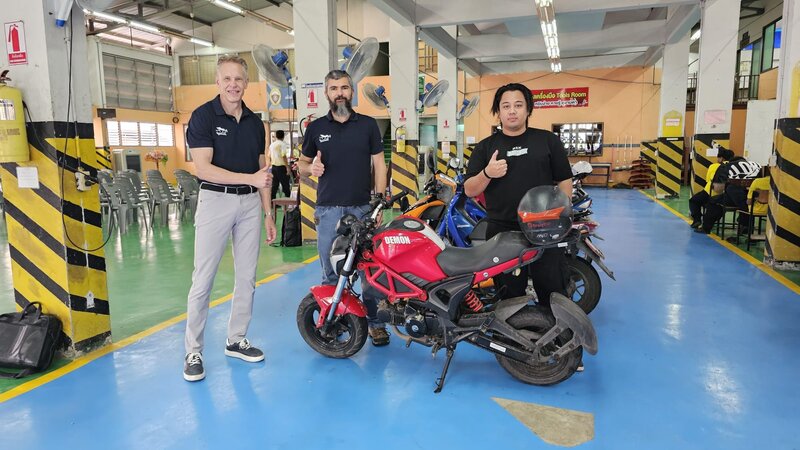
For organizations such as Motorcycle Safety Solutions, there is an important lesson in this. The goal should not be to position any individual product or intervention as the answer to motorcycle crashes. The goal should be to contribute to a broader understanding of a complex system and to help stakeholders make better decisions within that system. Data, technology, and analytics are valuable not because they eliminate complexity, but because they help reveal it.
What I learned in Lop Buri was not simply that young people begin riding earlier than I expected. I was reminded that motorcycles occupy a fundamentally different place in many developing societies than they do in the countries where much of the road safety literature originates. They are not merely vehicles. They are tools of economic participation, social connection, and personal independence. Any serious discussion of motorcycle safety must begin with that reality.
Perhaps the greatest challenge in road safety is not reducing risk. It is learning how to reduce risk without diminishing the opportunities that mobility creates. That is a far more complicated problem than it first appears, which may be precisely why it has proven so difficult to solve.
The students I met in Lop Buri did not talk about transportation policy, systems theory, or risk management. They talked about getting to school, helping their families, and moving through their communities. Yet their experiences capture something that those of us working in road safety can sometimes forget: mobility is not an abstract concept. It is deeply connected to opportunity, independence, and participation in society.
If motorcycle safety is truly a wicked problem, then perhaps our task is not to search for a single solution. Instead, it is to better understand the trade-offs, constraints, and realities that shape how people move through the world. Progress will come not from pretending those complexities do not exist, but from acknowledging them and designing interventions that work within them.
The road to safer mobility is unlikely to be straightforward. But neither is the road to school for millions of young riders across the developing world. Understanding that may be the first step toward making both journeys safer.
Rich Hanowski, Ph.D.
Founder & CEO
Motorcycle Safety Solutions, Inc.
Motorcycle Safety Solutions Asia (M) Sdn. Bhd.